Hey everyone, your favorite toy enthusiast here, ready to dive deep into something truly fascinating! I’ve been noticing a huge shift in the toy world lately, especially with classic franchises getting incredible makeovers and the “kidult” market booming.
It’s not just about simple play anymore; kids and collectors alike are looking for that next level of detail and engineering marvel, often influenced by movie and TV tie-ins, and even social media influencers.
Think about it – from vintage collectibles hitting auction blocks for insane prices to the intricate designs of modern action figures, our beloved playtime companions are evolving at warp speed, incorporating everything from sustainability to AR integration.
This trend really makes you appreciate the incredible craftsmanship that goes into bringing these characters to life, often involving advanced technology like 3D printing and AI in the design process.
And honestly, who doesn’t love a good transformation? It’s that satisfying click and whir that turns something ordinary into something extraordinary. Speaking of extraordinary transformations, there’s one particular line of toys that has always captured my imagination with its ingenious mechanics and jaw-dropping complexity.
We’re talking about the iconic Tobot series, and specifically, the incredible engineering behind their transformation devices. I’ve spent countless hours admiring the intricate gears and clever pivots in various transforming toys, and trust me, there’s a lot more going on under the hood of these Tobots than meets the eye, often requiring meticulous design to ensure every part folds, twists, and locks into place with precision.
It’s a true testament to thoughtful design and the art of “pretengineering”. Want to get a closer look at what makes these transforming heroes tick? Let’s uncover the secrets together right here.
The Magic Behind the Mechanics
Unlocking the Engineering Marvels
You know that feeling when you first pick up a new transforming toy? It’s not just the weight or the vibrant colors; it’s the anticipation, isn’t it? I remember the first time I got my hands on a Tobot – I swear, my jaw dropped.
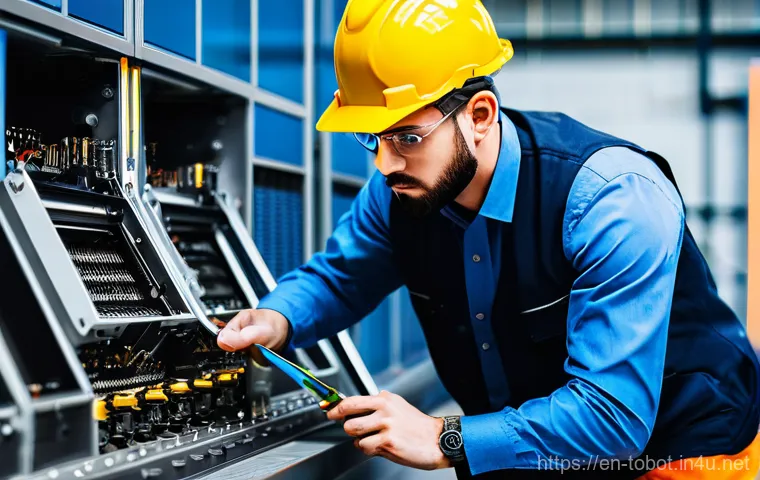
The way seemingly disparate parts clicked, twisted, and folded into something entirely different was pure wizardry. It’s an incredible feat of industrial design and mechanical engineering.
Designers have to meticulously plan every joint, every pivot, and every clearance to ensure smooth transitions without parts clashing or getting stuck.
It’s not just about making a robot turn into a car; it’s about crafting a seamless experience that feels intuitive yet complex. Think about the internal gears, the spring-loaded mechanisms, or even the friction hinges that hold poses.
These aren’t just aesthetic choices; they’re functional necessities that elevate a toy from simple plastic to a dynamic, interactive piece of art. I’ve personally spent hours just transforming them back and forth, marveling at the ingenuity, and often, realizing how much thought went into making it feel so *right*.
This isn’t just manufacturing; it’s a passion project for the engineers involved.
Beyond the Blueprint: The Human Touch
What really gets me about these intricate designs is the human element. It’s easy to think of toy design as purely technical, but there’s a real artistry to it.
Someone, a team of passionate individuals, sat down and envisioned this transformation, sketching out ideas, building prototypes, and probably failing a hundred times before getting it perfect.
I can almost picture the designers poring over 3D models, debating the precise angle of a panel or the optimal location for a latch. It’s that blend of technical precision and creative vision that truly sets these toys apart.
They don’t just transform; they tell a story of innovation and dedication. And let’s be honest, that satisfying “click” when everything locks into place?
That’s not an accident. That’s engineered satisfaction, a tiny dopamine hit that keeps us coming back for more. It’s truly a testament to thoughtful design and the art of “pretengineering,” as I like to call it.
It takes a certain kind of genius to make something so complex feel so natural in your hands.
From Screen to Shelf: The Art of Adaptation
Bringing Animated Heroes to Life
It’s fascinating how transforming toys often originate from animated series, isn’t it? We see these incredible machines on screen, performing daring feats and complex maneuvers, and then, almost magically, they appear as tangible objects we can hold.
This translation from a two-dimensional concept to a three-dimensional, functional toy is where the real challenge lies. It’s not enough for a toy to just *look* like its on-screen counterpart; it needs to *feel* like it, too.
That means capturing the essence of the character, its distinct transformation sequence, and even its personality through physical design. I’ve seen some toys that nail it perfectly, where every fold and twist mirrors what I saw in an episode.
And then there are others that… well, let’s just say they took some creative liberties! But even those “creative liberties” often stem from the practical limitations of mass production and safety standards.
It’s a constant balancing act between staying true to the source material and creating a durable, playable toy.
The Influence of Pop Culture and Collectibility
The connection between media and merchandise is undeniable, and for transforming toys, it’s a vital lifeline. Shows like Tobot aren’t just entertainment; they’re incubators for future collectibles.
When a new series or movie hits, the hype around its corresponding toys can be immense. I’ve personally experienced the thrill of hunting down a newly released figure that just appeared in my favorite show.
It adds another layer to the collecting experience, tying the physical object back to its narrative origins. This synergy also plays a huge role in the “kidult” market, where adults, like myself, are drawn to these toys not just for nostalgia, but for the intricate designs and the engineering marvels they represent.
We’re not just buying a toy; we’re investing in a piece of our childhood, a piece of a story we love, and often, a piece of art that reflects incredible craftsmanship.
The anticipation for the next wave of figures, knowing they’ll be direct reflections of the latest on-screen adventures, is a huge part of the fun. It’s a cyclical relationship where the animated world fuels the toy world, and in turn, the toys keep the animated world alive in our hearts and homes.
The Kidult Phenomenon: More Than Just Play
Why Adults Are Rediscovering Their Inner Child
Have you noticed how many adults are openly embracing toys these days? It’s not just a fleeting trend; it’s a cultural shift, and frankly, I love it. The “kidult” market, as it’s often called, is booming, and transforming toys are a huge part of it.
For many of us, these aren’t just toys; they’re intricate display pieces, nostalgia triggers, and tangible connections to beloved franchises. I mean, who can resist the allure of a meticulously engineered robot that turns into a vehicle?
It appeals to that part of our brain that appreciates clever design and mechanical puzzles. It’s a sophisticated form of play, far removed from the simple block-stacking of our early years.
Plus, as adults, we often have the disposable income to invest in the higher-end, more detailed versions that might have been out of reach when we were kids.
There’s a certain satisfaction in finally owning that grail piece you always dreamed of, or discovering a new line that combines modern aesthetics with classic transformation mechanics.
It’s a wonderful way to de-stress, engage your mind, and connect with a community of like-minded enthusiasts.
Navigating the Collector’s Landscape
The world of adult toy collecting is vibrant and diverse, and transforming figures occupy a special niche. It’s not just about buying; it’s about curating, understanding market values, and sometimes, even investing.
The thrill of the hunt for a rare variant or a limited edition can be just as exciting as the transformation itself. Online communities, conventions, and specialty stores have all become crucial hubs for this passion.
I’ve made some fantastic friends through these channels, sharing tips on where to find the best deals or how to properly care for delicate pieces. It’s a shared experience that goes beyond the individual toy, fostering a sense of camaraderie among collectors.
We talk about everything from the quality of plastic to the intricacies of hinge design, always learning and growing our understanding. This market thrives on both innovation and nostalgia, constantly pushing boundaries while celebrating the classics.
It’s truly a wonderful time to be a collector, with so many incredible options available, from detailed die-cast models to sophisticated plastic marvels.
| Collector Type | Motivation | Typical Purchase | Price Range (USD) |
|---|---|---|---|
| Nostalgia Seeker | Reliving childhood memories, owning beloved characters. | Reissues of classic figures, modern interpretations of vintage designs. | $30 – $150 |
| Engineering Enthusiast | Appreciation for complex mechanics and design innovation. | High-end transforming figures, complex build kits, model kits. | $75 – $500+ |
| Franchise Loyalist | Completing sets, owning every iteration of a favorite character/series. | Limited editions, store exclusives, variants, complete waves. | $50 – $300 per figure |
| Investment Minded | Collecting for potential future value, rarity, and market appreciation. | Rare prototypes, sealed vintage items, limited runs, convention exclusives. | $100 – $Thousands+ |
Why Transformation Stirs Our Souls
The Universal Appeal of Change and Potential
Have you ever stopped to think about *why* transformation, especially in toys, captivates us so deeply? I believe it taps into something fundamental within the human psyche – the allure of change, adaptability, and hidden potential.
When a sleek car or an imposing jet fighter can, with a few satisfying twists and turns, become a powerful robot, it represents more than just a clever mechanism.
It symbolizes the idea that things aren’t always what they seem, that there’s always more beneath the surface. It embodies the concept of versatility and power.
As kids, we project our imaginations onto these figures, seeing them as heroes who can adapt to any situation. As adults, we appreciate the elegance of a design that encapsulates two distinct forms within one cohesive object.
It’s a miniature miracle of engineering, showcasing how different components can work together in harmony to create something entirely new. This isn’t just about play; it’s about witnessing possibility in action, right there in your hands.
It’s that instant gratification of seeing a complete metamorphosis, feeling like you’ve been part of something truly special.
The Satisfaction of Ingenuity and Discovery
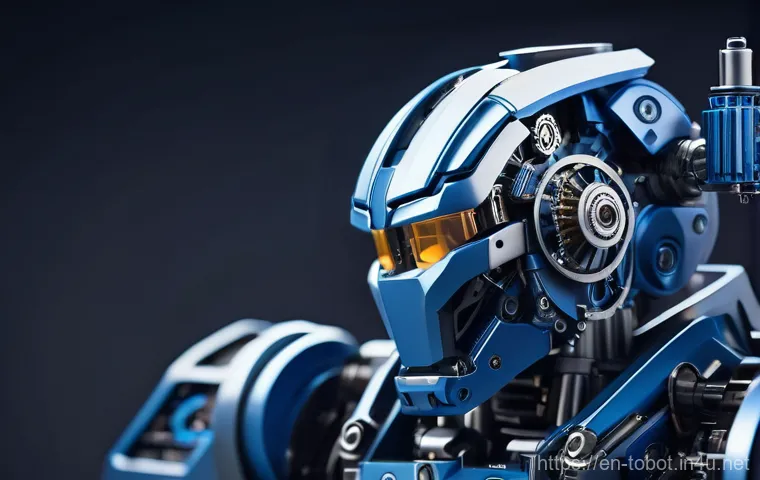
For me, a huge part of the appeal comes from the sheer ingenuity on display. Each transformation is a little puzzle waiting to be solved, a sequence of moves that reveals the designer’s brilliance.
I still remember the first time I figured out a particularly tricky transformation without looking at the instructions – that feeling of accomplishment was fantastic!
It’s like uncovering a secret, a hidden layer of design that rewards your patience and observation. And honestly, it never gets old. Even with toys I’ve transformed countless times, there’s a consistent joy in the fluidity of the movements, the precision of the joints, and the satisfying clicks as each piece locks into place.
It’s a tactile experience that engages your hands and your mind. This sense of discovery, of understanding the “how” behind the “what,” is incredibly powerful.
It’s a testament to the fact that well-designed toys aren’t just passive objects; they’re interactive experiences that encourage exploration and appreciation for clever mechanics.
It’s a constant reminder that with a bit of imagination and engineering, anything is possible.
The Future of Transforming Toys: Innovation on the Horizon
Integrating Technology and Sustainability
The world of transforming toys isn’t static; it’s constantly evolving, and the future looks incredibly exciting. I’m seeing a lot of buzz around integrating more advanced technology.
Imagine transforming figures with embedded AR capabilities that unlock digital experiences or mini-drones that autonomously shift between flight and ground modes.
The potential for intelligent transformations, maybe even voice-activated ones, is something I’m personally eager to see. But it’s not just about flashy tech; sustainability is also becoming a major focus.
Toy companies are increasingly looking into eco-friendly materials, recyclable plastics, and even bio-degradable components. I’ve already noticed some brands using plant-based plastics or cutting down on unnecessary packaging, and I truly appreciate those efforts.
It’s about ensuring that our beloved hobbies don’t come at the cost of the planet. As collectors, we have a responsibility to support these initiatives, choosing brands that align with our values.
This blend of cutting-edge tech and environmental consciousness is shaping up to be the next big frontier, offering a fascinating glimpse into a future where play is both innovative and responsible.
Community-Driven Design and Customization
Another exciting trend I’m keeping an eye on is the rise of community involvement in toy design. With advancements in 3D printing and digital sculpting, the line between consumer and creator is blurring.
Imagine being able to download official schematics for custom parts, or even influencing the design of future figures through fan polls and feedback. This level of interaction could lead to truly unique and personalized transforming experiences.
I’ve already seen amazing customizers in online forums creating their own incredible variants, and it makes me wonder how official companies might harness that creativity.
This isn’t just about mass production anymore; it’s about fostering a collaborative ecosystem where fans can contribute to the evolution of their favorite toy lines.
The ability to personalize, modify, and even design elements of your own transforming figures could unlock an entirely new dimension of collecting and play.
The future is looking bright for us enthusiasts, with more bespoke and interactive experiences on the horizon, moving beyond static releases to a dynamic, community-fueled evolution of our beloved hobby.
Wrapping Things Up
Well, friends, we’ve journeyed through the intricate world of transforming toys, exploring everything from their ingenious engineering to their deep-rooted appeal in our hearts. It’s truly fascinating how these pieces of plastic and metal can ignite such passion, evoke powerful nostalgia, and even connect us with a global community of fellow enthusiasts. My hope is that this dive has given you a fresh perspective, whether you’re a seasoned collector or just starting to appreciate the magic. Remember, it’s more than just a toy; it’s a testament to human creativity, a link to our fondest memories, and a tangible piece of storytelling that continues to evolve. Keep an eye out for what’s next in this incredible hobby!
Useful Insights for Every Enthusiast
1. Do Your Homework Before You Buy: I can’t stress this enough – a little research goes a long way. Before you click that “add to cart” button, check out reviews from other collectors, watch some transformation videos, and make sure the seller is reputable. You want to ensure you’re getting an authentic product that lives up to your expectations, especially with the investment some of these figures represent. There’s nothing worse than buyer’s remorse when you’re looking for that perfect addition to your shelf. Look for community forums where real collectors share their experiences and flag potential issues, which can save you a lot of headache and money in the long run.
2. Nurture Your Collection with Care: These figures are often complex, so gentle handling is key. I’ve learned from personal experience that forcing a joint or a panel is a recipe for disaster. Take your time with transformations, refer to instructions if you’re unsure, and keep your display area free from direct sunlight and excessive dust. A soft cloth and some compressed air can work wonders for cleaning, preserving their pristine condition for years to come. Thinking of them as miniature works of art helps to instill that sense of careful ownership, ensuring they remain cherished parts of your collection.
3. Dive into the Collector Community: Seriously, this is where a huge chunk of the fun is! Joining online forums, Facebook groups, or even attending local meetups can massively enrich your collecting journey. You’ll find a wealth of shared knowledge, discover rare pieces, and make fantastic friends who understand your passion for articulated plastic. I’ve personally gotten some of my best tips for finding deals and troubleshooting tricky transformations from fellow enthusiasts. The camaraderie among collectors is truly special, making the hobby feel less like a solitary pursuit and more like a shared adventure. Don’t be shy; introduce yourself and share your latest finds!
4. Decipher Market Value and Trends: Understanding the market can turn a casual purchase into a savvy acquisition. Keep an eye on what figures are appreciating in value, what limited editions are making waves, and how condition impacts resale potential. Sites like eBay, specialized collector shops, and even auction houses can give you a pulse on current pricing. While collecting should primarily be about joy, knowing the financial landscape can help you make more informed decisions, whether you’re looking to buy, sell, or trade. It’s like a mini economy, and learning its quirks can be quite rewarding, helping you identify true gems.
5. Embrace the Journey, Not Just the Destination: At the end of the day, collecting transforming toys should be fun! Don’t get too caught up in trying to complete every single line or acquire every rare variant. Focus on the pieces that truly resonate with you, the ones that bring a smile to your face, and the ones that spark your imagination. The hunt, the unboxing, the first transformation, displaying them proudly – these are all part of the unique experience. It’s about celebrating ingenuity, reliving cherished memories, and finding joy in the small wonders of engineering and design. Allow yourself to be captivated by the magic, and let your collection tell *your* story.
Key Takeaways from Our Transformation Journey
As we wrap up our exploration of the captivating world of transforming toys, there are a few core ideas I truly want you to carry with you. My own adventures in collecting have consistently shown me that these aren’t just mere playthings; they are multifaceted objects that blend art, engineering, and personal connection in profound ways. Whether it’s the meticulous design that allows a seamless shift from one form to another, the powerful nostalgia they evoke, or the vibrant communities they foster, their appeal runs deep. It’s this unique combination that makes them so special, bridging generations and captivating imaginations worldwide.
The Enduring Appeal of Ingenuity
First and foremost, never underestimate the sheer brilliance of the engineering involved. Every transformation is a small puzzle solved, a testament to the designers’ ability to combine complex mechanics with aesthetic appeal. From the satisfying “click” of interlocking parts to the fluid motion of a perfect conversion, the ingenuity on display is what truly sets these toys apart. It’s a tangible demonstration of creativity and problem-solving that we can hold in our hands. This appreciation for smart design often grows with age, turning a simple childhood toy into a sophisticated collectible for adults.
Beyond the Toy: A Cultural Phenomenon
Secondly, it’s clear these aren’t just individual items but part of a larger cultural tapestry. Their strong ties to animated series, movies, and comics infuse them with rich narratives and character. This connection elevates them from mere objects to tangible pieces of beloved stories, creating a powerful link between fiction and reality. This synergy fuels both the “kidult” market and the collectible scene, allowing us to interact with our favorite franchises in a uniquely physical way. It’s a dynamic relationship where pop culture inspires toys, and toys, in turn, keep those narratives alive.
The Heart of the Hobby: Community and Personal Joy
Finally, and perhaps most importantly, remember that the heart of this hobby lies in the joy it brings and the connections it forges. Whether you’re hunting for a rare find, sharing your latest acquisition with friends online, or simply marveling at a new figure’s transformation in your hands, it’s about personal satisfaction and shared passion. The camaraderie within the collector community is a testament to the universal appeal of these remarkable creations. It’s a space where enthusiasm is celebrated, knowledge is shared, and every new release offers another opportunity for discovery and delight. Cherish these experiences, as they are truly what make this hobby so rich and rewarding.
Frequently Asked Questions (FAQ) 📖
Q: Are Tobot transformations really as complex as they look, or is it something kids can figure out easily?
A: Oh, this is a fantastic question that I get asked all the time! From my personal experience, Tobot transformations truly are a masterclass in intricate design.
When you first unbox one, especially the larger, multi-part combiners, you might feel a little overwhelmed by all the moving panels, joints, and hidden compartments.
But here’s the magic: the designers at Young Toys have done an incredible job of making that complexity approachable. While some earlier models had their quirks, newer Tobots often feature surprisingly smooth transformations that are “silky smooth” and “perfect” for both kids and collectors.
It’s less about brute force and more about following the sequence, often with satisfying clicks and snaps that guide you through each step. It’s like solving a 3D puzzle – challenging at first, but incredibly rewarding once you get the hang of it.
My advice? Grab a key, take your time, and enjoy the journey! You’ll be amazed at how quickly you pick it up, and honestly, the satisfaction of perfectly transforming a Tobot is a feeling you just can’t beat.
Q: With all those intricate moving parts, how durable are Tobot toys, especially when kids are playing with them regularly?
A: This is a super important point, and one I always consider when adding a new transforming toy to my collection or recommending it to fellow enthusiasts.
It’s true, when you see a Tobot unfold, with all its panels, hinges, and clever mechanisms, you might worry about its longevity. However, what I’ve consistently found with the Tobot line is a surprisingly robust build quality.
Many models, especially the later ones, are constructed with durable ABS plastic and feature strong, ratcheting joints that hold up well to active play.
I’ve personally witnessed (and been guilty of) a few accidental drops, and these heroes tend to shrug them off better than you’d expect. Of course, no toy is indestructible, and rough handling could lead to issues, but the general consensus among collectors and parents alike is that Tobots are built to endure.
It really speaks to the thoughtful engineering behind them; they’re designed to be played with, not just admired on a shelf.
Q: What makes Tobot transformation engineering unique compared to other popular transforming toy lines out there?
A: Ah, now we’re getting to the heart of what makes Tobots so special to me! While the transforming toy market is vibrant and competitive, Tobots really carve out their own niche with a distinct approach to engineering.
What sets them apart, in my opinion, is their often chunky, tactile, and highly integrated transformation process. Many Tobots feature an “everything clicks” philosophy, where parts securely lock into place with satisfying auditory and physical feedback.
Unlike some other lines that might prioritize a clean alt-mode at the expense of transformation intuition, Tobots often feel like every panel and pivot serves a clear purpose in the sequence, making the process itself part of the fun.
Some even incorporate unique elements like “keys” that initiate parts of the transformation, adding an extra layer of interactive play. They really lean into the idea of a mechanical marvel, creating a sense of wonder as you watch a sleek vehicle unfold into a powerful robot, or vice-versa, with a fluidity that truly highlights the “pretengineering” at its finest.
It’s a bold, confident design that focuses on delivering a genuinely engaging and robust transformation experience.