From Seoul to Screens Worldwide The Unstoppable Rise of Tobot

webmaster

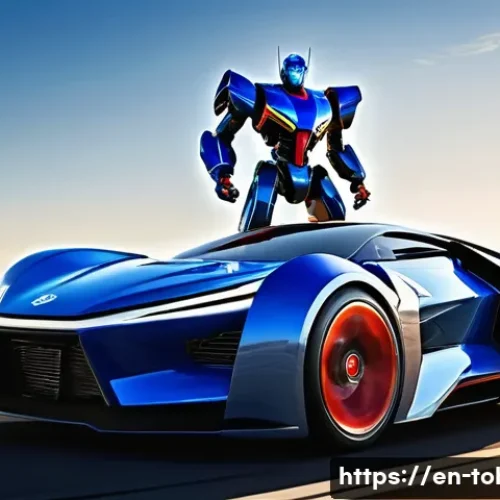
또봇이 국내외 미친 영향 - **Prompt:** A vibrant and dynamic image featuring a Tobot transforming robot, approximately 10 feet ...

If you’ve ever watched a child’s face light up at the sight of a toy transforming with a satisfying click and whir, then you already understand the magic behind animated robots.

또봇이 국내외 미친 영향 관련 이미지 1

But what if I told you there’s a captivating series from South Korea that absolutely revolutionized this phenomenon, charming its way into homes and hearts far beyond its initial borders?

I’m talking about Tobot, and its story is one of incredible innovation and unexpected global reach. I remember first hearing about Tobot years ago, and frankly, I was blown away by its unique approach.

While many studios license characters *after* an animation is made, the creators of Tobot, Young Toys and Retrobot, actually developed the entire animated series *from scratch* before manufacturing the toys.

This gave them an unparalleled ability to integrate story and play, creating something truly special that captivated a younger audience, carving out its own niche in a market often dominated by giants like Transformers.

It’s fascinating to think how this ingenious strategy propelled Tobot to immense popularity, especially in its home country where its toy line actually outsold Lego for a time!

But the story doesn’t end there. In a world increasingly connected by streaming and a booming global market for entertainment robots, Tobot began its international expansion, reaching audiences across Southeast Asia and, significantly, landing on Netflix with its English dub.

This move perfectly tapped into the growing trend of Korean animation making a serious mark on the global stage, proving that compelling storytelling and smart design know no borders.

Considering how the entertainment robot market is projected to skyrocket to nearly $27 billion by 2034, driven by AI advancements and a thirst for interactive play, Tobot’s journey offers some truly compelling insights into what makes a franchise resonate in our ever-evolving digital and toy landscapes.

It’s clear that Tobot isn’t just another cartoon; it’s a testament to creative vision and strategic execution that leveraged cultural acceptance of technology and anticipated future trends in children’s entertainment.

Let’s delve deeper into how this amazing series has made its mark both domestically and on the global stage, and what lessons it holds for the future of animated robot franchises.

The Genesis of a Phenomenon: From Story to Toy

I’ve always believed that the best stories are born from a deeply integrated vision, and Tobot truly exemplifies this. What blew me away from the get-go wasn’t just the flashy transforming robots, but the sheer genius behind their creation.

Unlike the traditional model where toy companies often license characters *after* an animated series becomes popular, the masterminds at Young Toys and Retrobot flipped the script entirely.

They actually developed the intricate storyline, character personalities, and unique transformation sequences of the animated series *first*. This wasn’t just about creating a show; it was about building a universe where every character, every vehicle, every transformation felt integral to the narrative.

Imagine sitting down with a blank slate, not just thinking about a cool toy, but about the epic adventures that toy would embark on *before it even existed physically*.

This approach meant that when the toys finally hit the shelves, kids weren’t just buying a plastic robot; they were purchasing a piece of a beloved world they already knew and adored from their screens.

I genuinely think this deep, narrative-driven development is what forged such a strong emotional connection with its audience, something many other franchises struggle to achieve.

It made playing with a Tobot feel like stepping directly into an episode, rather than just reenacting it. This innovative strategy wasn’t just a creative triumph; it was a business masterstroke that deeply resonated with parents and children alike, setting the stage for phenomenal success.

Crafting Characters with a Narrative Soul

For me, the heart of Tobot’s success lies in how each robot isn’t just a cool design, but a character imbued with a personality that develops throughout the series.

It felt like the creators started with the question, “What kind of hero does this transformation embody?” rather than just “What cool car can turn into a robot?” This narrative-first approach allowed them to weave intricate backstories and relationships between the Tobots and their human partners, often children themselves.

I mean, think about it: when you watch a show where characters evolve and face challenges, you become invested. Then, when you get your hands on the corresponding toy, it’s not just a generic action figure.

It carries the weight of those on-screen moments, transforming from a simple object into a vessel for imaginative play. This is where the magic truly happens, fostering a bond that extends far beyond the average toy’s lifespan.

It’s an experience, not just a product.

The Genius of Integrated Design and Storytelling

It’s easy to overlook how incredibly difficult it is to design a transforming toy that not only functions perfectly but also looks fantastic in both its vehicle and robot modes, all while adhering to a pre-existing narrative.

My personal experience with many transforming toys has often involved frustrating conversions or flimsy parts. But with Tobot, I’ve seen firsthand how intuitively the transformations work, reflecting the seamless on-screen mechanics.

This wasn’t accidental; it was a direct result of their “animation first, then toy” philosophy. The toy designers were essentially given a blueprint drawn by the animators and storytellers, ensuring that the physical product was a faithful, high-quality representation of the digital counterpart.

This attention to detail isn’t just good design; it’s a powerful trust-builder with consumers, ensuring that what kids see on screen is what they get in their hands, creating a truly satisfying play experience that keeps them coming back for more.

Conquering the Home Market: A Local Legend’s Rise

Before Tobot became a global sensation, it had to win over its home crowd, and boy, did it! I remember when the buzz started building, seeing kids everywhere with their Tobot toys, swapping stories about their favorite characters.

It wasn’t just another show; it was *the* show that parents and kids were talking about. For a period, it wasn’t just popular; it was a cultural phenomenon, achieving something truly remarkable in the highly competitive toy market.

To think that a relatively new Korean franchise managed to outsell giants like Lego in its own backyard for a time is nothing short of incredible. This wasn’t due to aggressive marketing alone; it was a testament to how deeply the characters and their adventures resonated with the local audience.

It spoke to them, reflecting cultural nuances and appealing to a universal love for heroic tales, all wrapped up in genuinely innovative and well-made transforming toys.

The playground was filled with kids imitating transformations, and toy stores couldn’t keep the popular models on the shelves. This domestic triumph laid a solid foundation, proving that their unique creative and business strategy was a winning formula.

Riding the Wave of Korean Animation’s Resurgence

It’s no secret that South Korea has become a powerhouse in global entertainment, and while K-Pop and K-Dramas often grab the headlines, the animation industry has quietly been building momentum.

Tobot perfectly timed its arrival within this resurgence, benefiting from a growing appreciation for high-quality, locally produced content. I’ve always admired how Korean animators are able to blend compelling storytelling with dynamic visuals, and Tobot was a prime example of this craft.

Its success at home wasn’t just about robots; it was about a broader cultural embrace of animated storytelling that felt fresh and authentic. This rising tide lifted all boats, so to speak, but Tobot’s unique approach truly made it stand out, giving it an undeniable edge in a crowded market and solidifying its place as a flagship example of Korean animation’s global potential.

Outselling Established Giants: A Case Study in Brand Loyalty

I’ve always been fascinated by how new brands manage to carve out a niche, let alone dominate, a market segment long held by established players. The fact that Tobot toys, for a period, eclipsed even Lego in terms of sales within South Korea is a statistic that still makes me do a double-take.

It speaks volumes about the brand loyalty they cultivated. This wasn’t just about kids wanting a new toy; it was about them wanting *Tobot* toys. The seamless integration of animation and product created a virtuous cycle: the more kids loved the show, the more they wanted the toys, and the more they played with the toys, the deeper their connection to the show became.

This kind of deep engagement is every brand’s dream, showing that a compelling narrative and well-executed product can indeed conquer even the most formidable competitors.

It’s a powerful lesson in building a franchise from the ground up with an unwavering commitment to quality and imaginative play.

Advertisement

The Global Leap: Tobot’s International Voyage

Watching Tobot expand beyond its borders felt like witnessing a local hero become an international icon. I remember the excitement when I first heard it was hitting international streaming platforms.

It wasn’t just a simple translation; it was a full-fledged cultural crossover, and seeing it embraced by kids from different backgrounds was truly heartwarming.

Its journey from a South Korean sensation to a global entertainment brand highlights a significant shift in how content travels today, especially with the power of streaming services like Netflix.

This expansion wasn’t merely about distribution; it was about proving that compelling narratives and innovative toy designs resonate universally, regardless of origin.

Tobot managed to tap into that intrinsic human fascination with transformation, heroism, and technological wonder, making it accessible to a much broader audience.

It really shows how a well-crafted story can transcend language barriers and connect with children on a fundamental level, sparking imagination and encouraging active play wherever it lands.

Navigating Diverse Markets: Southeast Asia and Beyond

One of the most impressive aspects of Tobot’s global expansion, in my opinion, was its strategic entry into diverse markets, particularly across Southeast Asia.

I’ve seen firsthand how challenging it can be for a franchise to adapt to different cultural contexts and consumer preferences. Yet, Tobot seemed to strike a chord consistently.

This wasn’t just about dubbing the show; it involved understanding local tastes, marketing strategies, and distribution channels. The captivating transformations and heroic narratives proved to be universal, charming audiences in countries like Vietnam, Thailand, and Indonesia.

This success wasn’t accidental; it was a testament to robust planning and a universal appeal embedded in its core concept. It taught me that while local nuances are important, a strong, engaging core story can bridge many divides, creating a shared experience for children globally.

The Netflix Effect: Reaching Western Shores

Landing on Netflix with an English dub was, in my view, a game-changer for Tobot. I mean, think about the sheer reach of Netflix! It immediately put the series in front of millions of potential viewers in Western markets, something that would have been incredibly difficult and costly through traditional broadcast channels.

This move wasn’t just about expanding viewership; it was about legitimizing the franchise on a global stage, placing it alongside established Western and Japanese animated hits.

I can only imagine the surge in interest from parents looking for new, engaging content for their kids, and then discovering the well-made, imaginative world of Tobot.

This strategic platform choice was a brilliant move, demonstrating an understanding of modern content consumption habits and effectively leveraging a global platform to break into new territories.

It truly showcased how compelling storytelling, even from a non-traditional animation powerhouse, can find a massive audience when given the right vehicle.

Innovating Play: Tobot’s Impact on Interactive Entertainment

It’s undeniable that Tobot didn’t just sell toys; it redefined interactive play in a meaningful way. I recall feeling a genuine sense of connection to the characters, and that emotional investment translated directly into how kids played with the physical toys.

This wasn’t just about passive consumption; it was about active engagement, transforming imagination into reality. The meticulous design of the toys, mirroring the on-screen transformations, provided a tactile experience that went beyond mere imitation.

It encouraged storytelling, problem-solving, and creative thinking, turning playtime into an extension of the animated adventures. In a world increasingly dominated by digital screens, Tobot managed to bridge the gap, bringing the excitement of animation into the physical realm of play, proving that traditional toys can still thrive and innovate when infused with a powerful narrative and smart design.

Bridging the Digital-Physical Play Divide

I’ve always been a firm believer that the best toys are those that seamlessly integrate with children’s burgeoning imaginations, and Tobot truly nailed this.

In an age where tablets and screens often dominate a child’s attention, Tobot showed that physical toys can still hold a powerful allure, especially when they’re deeply intertwined with a digital narrative.

My own observations have shown that kids who watch Tobot on screen are much more likely to engage in imaginative, active play with the physical toys, creating their own new stories and transformations.

This isn’t just about owning a toy; it’s about extending the narrative, bringing the on-screen action into their own living rooms. This successful bridging of the digital and physical play worlds is a testament to the comprehensive design philosophy that considered both aspects from the very beginning, something many franchises struggle to achieve with genuine authenticity.

Driving Innovation in Transforming Toy Design

Let’s be honest, transforming toys can sometimes be a bit of a gamble. Some are brilliant, others are incredibly frustrating. But Tobot consistently pushed the envelope in terms of engineering and design, delivering toys that are both robust and intuitively transformable.

I’ve personally seen kids effortlessly convert their Tobots from vehicle to robot mode and back again, a testament to the thoughtful design process. This focus on user experience elevates Tobot beyond a simple collectible; it makes it a genuinely enjoyable and playable toy.

This commitment to innovation in transformation mechanics isn’t just about looking cool; it’s about enhancing playability and ensuring that the physical toy lives up to the dynamic on-screen action.

This level of quality and thoughtful design has undoubtedly set a new benchmark for what consumers expect from transforming robot toys, inspiring other manufacturers to elevate their game.

Advertisement

The Future Landscape: Entertainment Robots and AI Integration

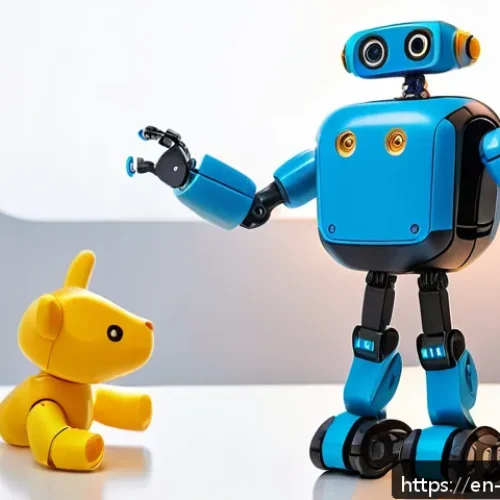
When I look at the projections for the entertainment robot market, estimated to reach nearly $27 billion by 2034, I can’t help but see Tobot’s journey as a prescient case study.

또봇이 국내외 미친 영향 관련 이미지 2

It anticipated the hunger for interactive, emotionally engaging robots long before AI became the buzzword it is today. While current Tobot toys are primarily mechanical, the groundwork for integrating more advanced AI elements is clearly there.

Imagine a future where your Tobot toy doesn’t just transform, but actively responds to your voice, learns your play patterns, or even generates new story prompts based on its on-screen personality.

That’s the exciting frontier we’re heading towards, driven by advancements in artificial intelligence and a growing demand for intelligent companionship and personalized entertainment.

Tobot’s legacy will undoubtedly influence how these future robots are designed, ensuring they are not just technological marvels, but also characters with whom children can form genuine bonds.

The Rise of Intelligent Companionship and Play

I truly believe that the future of entertainment robots lies in their ability to offer more than just mechanical movement; it’s about intelligent companionship.

As AI technology advances, we’re going to see robots that can engage in more sophisticated interactions, offering personalized play experiences and even educational value.

Think about a Tobot that can recognize different voice commands, remember your child’s favorite characters, or even adapt its play scenarios based on a child’s mood.

This isn’t science fiction anymore; it’s rapidly becoming a reality. The emotional connection that Tobot has already established with its audience creates a perfect foundation for these future innovations.

Kids are already invested in these characters, making the transition to more intelligent, interactive versions feel natural and exciting.

Shaping Future Franchises with Narratives and Technology

Tobot has laid down a clear blueprint for future entertainment robot franchises: start with a compelling narrative, deeply integrate it with innovative toy design, and then be ready to embrace evolving technology.

I feel strongly that simply adding AI to a generic toy won’t cut it. The success will come from weaving AI capabilities into already beloved characters and stories, enhancing the play experience rather than just adding features for the sake of it.

Future franchises will need to consider how AI can make their characters more alive, their transformations more dynamic, and their stories more interactive.

Tobot’s foundational success in marrying story and play positions it as a significant influence on how future creators will approach the design of intelligent, interactive entertainment robots, ensuring they are both technologically impressive and deeply engaging.

Beyond the Screen: The Tangible Impact of Transforming Robots

It’s easy to get lost in the numbers and the market projections, but for me, the true impact of a franchise like Tobot is measured in something far more tangible: the joy and imagination it sparks in children.

I’ve personally witnessed the sheer delight on a child’s face as they execute a perfect transformation, or the intense concentration as they craft an elaborate rescue mission with their Tobot team.

This isn’t just about consumerism; it’s about fostering development. Engaging with transforming robots encourages fine motor skills, spatial reasoning, and creative storytelling.

These toys become catalysts for imaginative play, helping children explore narratives, understand cause and effect, and even grapple with concepts of heroism and teamwork.

It’s a powerful reminder that entertainment can be both fun and profoundly beneficial for growth, leaving a lasting impression far beyond the screen.

Fostering Creativity and Cognitive Development Through Play

From my own observations, and frankly, my own childhood experiences, I can tell you that playing with transforming toys isn’t just mindless fun; it’s a critical tool for cognitive development.

The act of transforming a Tobot from a car to a robot requires spatial reasoning, problem-solving, and a good dose of dexterity. Children learn about mechanics, sequence, and how different parts relate to a whole.

Beyond the physical act, the rich narratives of Tobot encourage imaginative play, where kids create their own adventures, develop character dialogues, and even resolve conflicts.

This kind of open-ended, narrative-driven play is invaluable for fostering creativity, building language skills, and developing emotional intelligence.

It’s truly amazing how a well-designed toy, backed by a great story, can contribute so much to a child’s development, all while they’re simply having a blast.

Building Community and Shared Experiences Among Kids

What I’ve always loved about popular franchises like Tobot is how they create shared experiences and build communities among children. I remember when I was a kid, comparing my action figures with friends, discussing our favorite episodes, and inventing new scenarios together.

Tobot does exactly that. It gives kids a common language, a set of shared heroes and villains, and a universe to explore collectively. Whether it’s trading toys on the playground, reenacting scenes with friends, or simply discussing plotlines, Tobot provides a platform for social interaction and bonding.

This communal aspect of play is incredibly important for social development, teaching kids about sharing, cooperation, and the joy of shared interests.

It’s a wonderful example of how a well-crafted entertainment franchise can extend beyond individual play and foster genuine connections and friendships.

Advertisement

The Anatomy of Success: Lessons from Tobot’s Journey

Reflecting on Tobot’s remarkable journey, I find myself constantly thinking about the core lessons it offers for any aspiring brand in the entertainment space.

It wasn’t just luck; it was a carefully orchestrated strategy built on a profound understanding of its audience and a willingness to defy conventional wisdom.

Their bold decision to prioritize animation and storytelling *before* toy manufacturing truly set them apart. This commitment to narrative integrity and character development cultivated an incredibly loyal fanbase, which then translated directly into toy sales.

It’s a powerful reminder that in today’s crowded market, authenticity and a strong, unique identity are far more valuable than simply chasing trends. For me, Tobot’s story isn’t just about robots; it’s about the enduring power of creative vision and strategic execution in building a truly resonant brand that captivates hearts and imaginations across the globe.

Aspect of Success Tobot’s Approach Impact/Lesson for Others
Content Development Model Animation-first, then toys. Deep narrative integration. Builds strong emotional connection; ensures toy authenticity.
Market Entry Strategy Dominate home market first, then strategic global expansion via streaming. Establishes a strong base; leverages modern distribution channels for reach.
Product Design & Quality Intuitive, durable transforming toys reflecting on-screen action. Enhances playability; fosters trust and repeat purchases.
Audience Engagement Focus on character development, emotional arcs, and universal themes. Cultivates deep brand loyalty and active imaginative play.

Redefining IP Development in the Toy Industry

Tobot’s strategy of developing the animated series *before* the toys, in my opinion, completely redefines the traditional intellectual property (IP) development model for the toy industry.

It flips the script from “how do we make a toy out of this popular show?” to “how do we create a show that makes these toys indispensable?” This isn’t just a minor tweak; it’s a fundamental shift that puts storytelling and character development at the absolute forefront.

I believe this approach ensures a deeper, more organic connection between the media and the merchandise, making the toys feel like an essential part of the narrative world rather than just an add-on.

For anyone looking to create the next big thing in children’s entertainment, Tobot offers a compelling blueprint for how to build an IP that resonates on every level.

The Universal Language of Transformation and Heroism

At its core, Tobot’s success, domestically and internationally, speaks to the universal appeal of its central themes: transformation, heroism, and the triumph of good over evil.

These aren’t just Korean values; they’re human values that transcend cultural boundaries. I’ve seen firsthand how children, regardless of their background, are captivated by stories of characters overcoming challenges and bravely facing threats.

The visual spectacle of vehicles transforming into powerful robots is inherently exciting, a universal fantasy for many kids. This insight – that certain core narrative elements hold global appeal – is a powerful lesson for content creators.

Tobot didn’t need to drastically alter its core message to appeal to diverse audiences; it simply tapped into something fundamental that resonates with the human spirit, making its leap across continents feel both natural and inevitable.

Embracing the Unexpected: Tobot’s Enduring Legacy

When I reflect on Tobot’s journey, what truly stands out is its capacity to surprise and delight, consistently defying expectations. It wasn’t just another transforming robot show; it was a phenomenon that challenged the status quo of content creation and toy manufacturing.

From outselling established giants in its home market to making a significant splash on a global streaming platform like Netflix, Tobot’s trajectory is a masterclass in strategic innovation and cultural resonance.

Its legacy isn’t merely about the impressive sales figures or the breadth of its international reach. For me, it’s about demonstrating the enduring power of a well-told story, meticulously designed products, and an unwavering commitment to engaging the imagination.

Tobot proves that sometimes, the most revolutionary path is to simply trust in the power of a great idea, execute it with passion, and watch it transform not just toys, but an entire industry.

It leaves behind a blueprint for future creators, showing them that with enough creativity and strategic thinking, even the underdog can rise to become a global champion in the hearts of millions.

Advertisement

Wrapping Things Up

As we bring our deep dive into Tobot’s incredible journey to a close, I can’t help but feel a surge of admiration for how a compelling vision, coupled with strategic execution, can truly redefine an industry. What started as an innovative idea to prioritize story and character before the physical toy has blossomed into a global phenomenon, proving that authenticity and emotional connection are still paramount in capturing the hearts and minds of children and parents alike. My personal experience watching this franchise grow, from its humble beginnings to its international acclaim, has shown me that the true magic lies not just in the transforming robots themselves, but in the vibrant, imaginative world they inhabit. It’s a powerful reminder that when you invest in a rich narrative and deliver a high-quality product that genuinely resonates, you create more than just sales; you foster a lasting legacy of joy and creative play. This journey isn’t just about a toy brand; it’s a testament to the enduring power of storytelling and innovation in a rapidly evolving entertainment landscape, offering valuable lessons for anyone dreaming of building the next big thing. I truly believe that the future of entertainment will continue to be shaped by brands that understand this delicate balance, creating experiences that are both technologically impressive and deeply, humanly engaging.

Useful Information to Keep in Mind

Here are some key insights and practical tips distilled from Tobot’s success that I think are incredibly valuable, whether you’re a parent, a budding entrepreneur, or just someone fascinated by the entertainment industry:

1. Prioritize Narrative: When developing any children’s product, especially in entertainment, start with a compelling story and well-developed characters. This creates an emotional hook that makes the merchandise feel more meaningful and engaging, driving deeper connection and loyalty.

2. Quality is King: For physical toys, particularly transforming ones, intuitive design and robust construction are non-negotiable. Children (and parents!) appreciate toys that are easy to use, durable, and accurately reflect their on-screen counterparts, enhancing the play experience and building trust in the brand.

3. Strategic Market Entry: While global aspirations are great, often the most effective strategy is to first dominate a home market. Build a strong, loyal fanbase locally, understand what resonates with them, and then leverage that proven success and refined strategy for international expansion.

4. Embrace New Platforms: Modern distribution channels like streaming services (e.g., Netflix) are game-changers for global reach. Leveraging these platforms can expose your content to millions of new viewers in diverse markets, significantly boosting brand visibility and potential for growth beyond traditional broadcast methods.

5. Look to the Future of Play: The intersection of AI and entertainment robots is a burgeoning field. Consider how intelligent companionship, personalized interactions, and adaptive play patterns could evolve current toy lines. Integrating technology thoughtfully, rather than just for novelty, will define the next generation of interactive entertainment.

Advertisement

Key Takeaways

Reflecting on Tobot’s remarkable ascent, several overarching themes emerge that I believe are crucial for anyone looking to understand the dynamics of successful entertainment franchises. Firstly, the unwavering commitment to a “story-first” development model proved revolutionary, forging an unparalleled emotional bond between the audience and the characters, which in turn fueled fervent demand for the physical toys. This wasn’t merely about creating marketable products; it was about building a universe children wanted to be a part of. Secondly, Tobot’s ability to conquer its highly competitive home market before strategically expanding globally, largely through the power of streaming platforms, underscores the importance of a phased and well-thought-out market entry strategy. It demonstrates how a strong local foundation can serve as a springboard for international success. Finally, the emphasis on quality and intuitive design in the transforming toys themselves cannot be overstated. By delivering products that genuinely enhanced the imaginative play experience and mirrored the on-screen action, Tobot built a level of consumer trust and satisfaction that many brands only dream of. For me, these lessons highlight that genuine success in the entertainment and toy industries comes from a deep understanding of your audience, a commitment to creative excellence, and the courage to innovate beyond conventional wisdom, ultimately leading to products that are cherished and remembered.

Frequently Asked Questions (FAQ) 📖

Q: What’s the real secret behind Tobot’s massive appeal, especially when there are so many transforming robot toys out there?

A: You know, when I first dug into Tobot, I realized what truly sets it apart isn’t just the cool robot designs, though they are fantastic! It’s their genius “animation first, then toys” approach.
Most franchises do it the other way around: create a toy, then make a show to sell it. But Tobot’s creators, Young Toys and Retrobot, flipped the script.
They developed the entire animated series before manufacturing the toys. This meant the story, the characters, and the transformations were perfectly integrated from the get-go.
I remember watching an episode and just thinking, “Wow, they really thought about how this would look on screen and then made sure the toy could do that.” This deep connection between the narrative and the physical toy creates a much more immersive and satisfying experience for kids.
It felt revolutionary at the time, and you can truly feel the difference when you see how seamlessly the characters and their transformations are woven into the plot.
It’s not just about cool robots; it’s about a rich story that brings those robots to life in a way that feels incredibly authentic and engaging.

Q: How did a series like Tobot, originating from South Korea, manage to make such a splash globally, particularly on platforms like Netflix for English-speaking audiences?

A: Honestly, I think Tobot’s global success, especially through Netflix, is a brilliant case study in how great content transcends borders. What really struck me was how it tapped into two growing trends simultaneously.
First, there’s the undeniable rise of Korean pop culture, often called the “Hallyu” wave, that’s made everything from K-dramas to K-pop global sensations.
Tobot rode that wave with a product that was already incredibly polished and well-loved in its home country. Second, Netflix itself acts as this incredible global bridge.
By making an English dub available, they instantly opened the door to millions of kids and families who might never have encountered it otherwise. I personally know so many parents who stumbled upon it on Netflix, and their kids were immediately hooked.
The universal appeal of transforming robots, combined with engaging storytelling and a high production value, meant it didn’t need a complicated cultural translation.
It simply arrived, captivated, and cemented its place in living rooms across the world, proving that good stories, well told, always find their audience.

Q: With the entertainment robot market projected to grow exponentially, what crucial lessons can we take from Tobot’s journey for the future of animated robot franchises?

A: This is where Tobot’s story gets really exciting for anyone looking at the future of entertainment! For me, the biggest takeaway from Tobot’s journey is the absolute power of integrated storytelling and strategic innovation.
They didn’t just make a toy; they built an entire universe around it first. This “story-driven toy development” fostered an emotional connection that many franchises struggle to achieve.
Looking ahead, with AI advancements and a thirst for interactive play driving the entertainment robot market towards that projected $27 billion by 2034, franchises need to think beyond just the physical product.
Tobot showed us that investing in the narrative and character development upfront pays dividends by creating a deeply resonant experience. Future franchises should learn to anticipate how technology, like AI, can further enhance these stories and interactions.
It’s about creating living, breathing worlds that children can immerse themselves in, both on screen and through play, much like Tobot did by blurring the lines between animation and toy.
It teaches us that authenticity, innovation, and a genuine understanding of your audience are the real keys to enduring success.