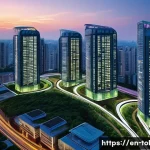
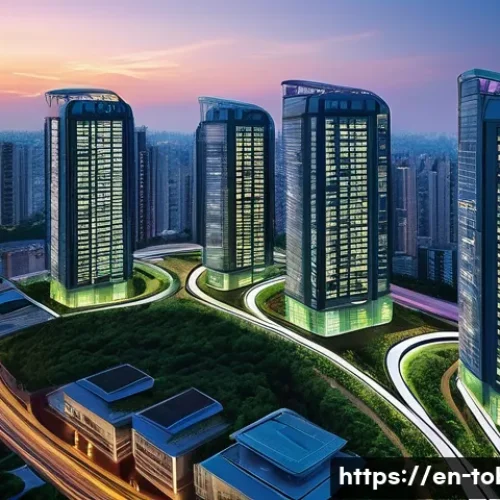
Alright, who else here gets totally immersed in the incredible backdrops of their favorite animated series? For me, the energetic, high-tech world of Daedo City in Tobot always steals the show.

It’s more than just a setting; it feels like a living, breathing character, perfectly capturing the essence of futuristic urban development and smart city ideals we often dream about.
I’ve personally spent countless hours marveling at how seamlessly it blends cutting-edge technology with the bustling vibe of a truly modern metropolis.
Let’s explore the fascinating real-world inspirations that shaped this iconic animated city.
The Blueprint of Tomorrow: Real-World Urban Planning in Animation
Crafting a Modern Metropolis from Vision Boards
When I first laid eyes on some of these futuristic animated cities, my mind immediately jumped to the incredible thought and detail that must go into their design, much like how real urban planners obsess over every street and building.
It’s fascinating how animators and writers pull inspiration from the world around us, from ambitious architectural projects that push the limits of engineering to visionary city plans laid out by some of the brightest minds in urban development.
Think about it: the sprawling, interconnected districts, the layered transportation systems, the way green spaces are seamlessly woven into the urban fabric – these aren’t just random drawings.
They often reflect actual concepts being explored by architects and city planners today. I’ve personally spent hours down rabbit holes, researching projects like “The Line” in Saudi Arabia or Masdar City in the UAE, and then seeing similar underlying principles pop up in my favorite animated worlds.
What I’ve noticed is that the best fictional cities feel tangible because they’re grounded in these very real aspirations for sustainable, efficient, and aesthetically pleasing urban environments.
It’s like peeking into a planner’s wildest dreams, brought to life with a dash of sci-fi magic, making you believe that a future city like this might just be around the corner.
They’re not just beautiful backdrops; they’re thoughtfully constructed environments that mirror our own evolving understanding of how we want to live.
Where the Sidewalk Ends (and the Skywalk Begins)
One of the coolest aspects of these animated urban landscapes is how they tackle movement and connectivity. Forget just sidewalks and roads; we’re talking about multi-level pedestrian pathways, high-speed elevated trains, and even personal aerial vehicles zipping between towering skyscrapers.
This isn’t just for show, either. It’s a direct reflection of real-world urban planning efforts to reduce traffic congestion, promote walking and cycling, and improve public transit efficiency.
I remember visiting cities like Chicago and seeing their amazing “L” train system, or experiencing the intricate underground networks in places like Tokyo, and it immediately clicked how these inspirations translate into the seamless, often vertical, transit hubs we see in animation.
It’s all about creating a flow that keeps the city vibrant and accessible, allowing characters to move with incredible speed and ease. For me, it truly enhances the sense of a city that lives and breathes, where every part is connected, and getting around is an adventure in itself.
This innovative approach to connectivity is something I’m always looking out for because it paints such a vivid picture of how our future cities might manage the ever-increasing demand for efficient movement.
Tech That Pops Off the Screen: Smart City Innovations We Already See
From Sci-Fi Gadgets to Everyday Reality
It’s wild how many “futuristic” technologies from animated cities are now becoming, or are already, a part of our daily lives. I mean, remember when holographic displays and AI assistants seemed like pure fantasy?
Now, we have smart speakers managing our homes and augmented reality popping up everywhere, from gaming to navigation. When I watch these shows, I often find myself pausing, thinking, “Wait, I saw something like that at the latest tech expo!” The integration of smart grids, autonomous vehicles, and ubiquitous digital connectivity in these fictional metropolises isn’t just creative storytelling; it’s a direct nod to ongoing research and development in the smart city movement.
Companies are investing heavily in IoT devices that monitor everything from traffic flow to air quality, creating a living, responsive urban environment.
I even heard about a city experimenting with smart waste management systems that optimize collection routes, which sounds exactly like something a well-oiled animated city would have.
It really makes you feel like you’re not just watching a cartoon, but a glimpse into a very plausible, technologically advanced future that’s already taking shape around us.
It’s a constant reminder that yesterday’s science fiction is often tomorrow’s reality.
The Invisible Network: Connectivity That Changes Everything
The seamless digital integration often depicted in animated urban settings is something that consistently blows my mind. We’re talking about cities where communication is instantaneous, data flows like water, and every citizen is hyper-connected to an invisible network that supports everything from public safety to personal convenience.
This concept isn’t just a fantasy anymore; it’s a cornerstone of what we call the “Internet of Things” (IoT) and the push for 5G and even 6G networks.
I’ve seen discussions about cities implementing sensor networks to optimize energy use in buildings or deploying smart streetlights that adapt to real-time conditions.
In the animated world, this translates into everything from AI-driven traffic management that prevents gridlock to public information displays that offer personalized updates.
It creates an incredible sense of a city that’s alive and aware, constantly adapting to the needs of its inhabitants. What I’ve experienced is that this level of connectivity, even in its early stages in our real world, can dramatically improve quality of life and efficiency.
It really makes you appreciate the thought that goes into making these fictional cities not just pretty, but truly functional in a way that resonates with our technological aspirations.
| Smart City Concept | Real-World Example/Goal | Animated City Representation (General) |
|---|---|---|
| Integrated Public Transit | High-speed rail, autonomous shuttles, interconnected subway systems (e.g., Tokyo, Singapore) | Flying cars, maglev trains, personal air vehicles, seamless multi-modal hubs |
| Sustainable Energy | Solar farms, wind turbines, geothermal power, smart grids (e.g., Masdar City, Freiburg) | Buildings covered in greenery, omnipresent solar panels, clean energy reactors, zero-emission vehicles |
| Advanced Surveillance & Security | CCTV networks, facial recognition, predictive policing (e.g., London, Beijing) | Ubiquitous drone patrols, AI-driven security systems, biometric access, hero-led defense forces |
| Digital Connectivity | 5G networks, IoT devices, ubiquitous Wi-Fi, smart sensors (e.g., Seoul, Barcelona) | Augmented reality interfaces, holographic communication, intelligent infrastructure, hyper-connected citizens |
| Vertical Farming & Green Spaces | Rooftop gardens, urban farms, massive public parks (e.g., Singapore, New York) | Skyscraper gardens, multi-level parks, arboreal architecture, indoor hydroponics |
Architectural Wonders: Iconic Skylines and Their Inspirations
Skyscrapers That Touch the Clouds (and Our Imaginations)
There’s something truly awe-inspiring about the towering structures that define animated cityscapes. They often feature buildings that defy gravity and conventional design, reaching impossible heights and boasting incredible aesthetics.
But what’s truly amazing is how these fantastical structures often draw inspiration from real-world architectural marvels. When I see a building in an animated series that twists into the sky or features intricate, bio-mimetic designs, my mind immediately jumps to innovative projects like the Shanghai Tower with its spiraling form, or the “Vertical Forest” buildings in Milan that integrate hundreds of trees.
Architects today are constantly pushing the boundaries of what’s possible with materials like ultra-high-performance concrete and advanced steel alloys, allowing for designs that were once considered pure fantasy.
It’s a testament to human ingenuity that the fantastical elements we adore in animation often have roots in real-world engineering and artistic vision.
For me, it adds another layer of appreciation because it shows that these imaginative worlds aren’t just dreamt up; they’re built upon the very real ambitions and innovations of our world’s most creative builders.
Beyond Concrete: The Art and Soul of Future Buildings
It’s not just about height and glass; the intricate details and artistic expressions in animated architecture truly make these cities come alive. I’m talking about the way buildings interact with light, the unique textures, and how they contribute to an overall sense of place.
What I’ve observed is a keen eye for integrating elements of nature into urban structures, like vast green walls or rooftop gardens that cascade down buildings – concepts inspired by real-world green architecture movements.
These design choices aren’t merely decorative; they often serve a functional purpose within the narrative, reflecting a city’s values or technological advancements.
Think about how a city’s central tower might glow with vibrant energy at night, much like the iconic light shows on actual landmarks such as the Empire State Building or the Petronas Towers.
These visual cues give the city character and make it memorable. I honestly believe that the “soul” of an animated city lies not just in its characters, but in the personality of its buildings, each one telling a silent story about the future it inhabits, drawing us in with its unique blend of artistic vision and practical design.
Green Futures: Sustainable Practices in Fictional Metropolises
Eco-Friendly Design: Making Green the New Black
The emphasis on sustainability in many animated cities truly warms my eco-conscious heart. It’s not just an afterthought; it’s often integrated into the very DNA of the urban landscape.
We see buildings adorned with lush vertical gardens, massive wind turbines seamlessly blended into the skyline, and even entire districts powered by clean, renewable energy sources.
This isn’t just wishful thinking on the part of animators; it directly reflects the growing global push for sustainable urban development. I’ve personally been following the progress of cities like Copenhagen, known for its incredible bike infrastructure and carbon-neutral goals, and Singapore, famous for its “Garden City” initiative with supertrees and biodomes.
These real-world efforts to combat climate change and create healthier living environments are clearly inspiring the utopian (and sometimes dystopian) green futures we see on screen.
It’s a powerful message, demonstrating that technology and nature can coexist beautifully, and that smart design can lead to a healthier planet. Watching these elements unfold in fictional cities makes me feel hopeful, showing us what’s truly possible if we commit to a greener future.
It’s truly inspiring to see how these imaginative worlds integrate environmental responsibility so thoroughly.
Breathing Life into Concrete Jungles
Beyond the grand gestures of wind farms and solar arrays, it’s the subtle ways greenery is incorporated into animated cities that really capture my attention.
I’m talking about public parks that act as the lungs of the city, urban farms that feed its inhabitants, and even intricate hydroponic systems within apartment complexes.
These details are vital for creating a truly livable environment, echoing real-world urban greening initiatives aimed at improving air quality, biodiversity, and mental well-being.

I remember visiting the High Line in New York City, an elevated park built on a disused railway line, and thinking how perfectly it embodied the idea of reclaiming urban space for nature.
Similarly, fictional cities often show clever solutions for bringing nature back into dense areas, reminding us that even in the most technologically advanced settings, humans still crave connection with the natural world.
It proves that even amidst towering steel and glass, there’s always room for a little bit of green to help us breathe easier and connect with our roots.
This thoughtful integration of nature really gives these fictional cities a heart, making them places you’d genuinely want to live in.
Beyond the Grid: How Transportation Networks Shape Animated Worlds
The Commute of the Future: Flying Cars and Hyperloops
Oh, how I wish my morning commute involved a flying car or a hyperloop! The transportation systems in animated cities are often a marvel of efficiency and innovation, leaving traditional road networks far behind.
We see everything from personal aerial vehicles zipping through the sky, much like sophisticated drone taxis, to high-speed underground or elevated trains that connect vast distances in mere moments.
These concepts aren’t just wild imaginings; they’re often extrapolations of technologies currently under development, such as Elon Musk’s Hyperloop concept or the ongoing tests of eVTOL (electric Vertical Take-Off and Landing) aircraft.
I’ve personally followed the progress of maglev trains in countries like Japan and China, which achieve incredible speeds by levitating above the tracks, and it’s clear where some of that inspiration comes from.
The idea of a city where traffic jams are a thing of the past and travel is seamless and swift is incredibly appealing, and these animated worlds show us just how transformative such advancements could be.
It makes you dream about a future where time spent commuting is drastically reduced, giving us more hours back in our day for what truly matters.
Making Connections: Transit That Unites a City
What truly impresses me about the transportation networks in many animated metropolises is not just their speed or futuristic aesthetic, but how comprehensively they connect every part of the city.
It’s about creating a unified urban experience where residents can effortlessly move between residential areas, commercial hubs, and entertainment districts.
This vision directly mirrors the goals of integrated public transport systems in real-world cities that strive for seamless transfers and broad accessibility.
Think about how a city like London or Paris plans its extensive subway and bus networks to serve virtually every neighborhood. In animation, this often takes the form of multi-layered systems, perhaps with subterranean trains, ground-level autonomous shuttles, and even aerial pathways.
The underlying principle is always the same: to foster a sense of unity and easy movement that makes the city feel cohesive and alive. I’ve noticed how these well-designed transit systems are often crucial to the plot, enabling characters to navigate their complex worlds with ease.
It truly shows how critical efficient movement is, not just for convenience, but for the very fabric of a city’s social and economic life.
The Human Element: Community and Culture in Hyper-Modern Settings
Finding Our Place in the Future Cityscape
Amidst all the dazzling technology and futuristic architecture, what always resonates with me is how animated cities depict the human experience. It’s easy to get lost in the sci-fi spectacle, but these worlds still show people living, working, and forming communities.
Whether it’s a bustling market district under a giant dome or a vibrant street festival illuminated by holographic displays, the sense of human interaction remains central.
These elements draw heavily from how real cities foster community and culture, from traditional town squares that serve as gathering points to diverse neighborhoods that each boast their unique flavor.
I’ve found myself thinking about the street art in vibrant urban centers or the community gardens that bring neighbors together in my own city. It’s a vital reminder that even in a world of advanced tech, human connection and cultural expression are still what give a city its soul.
It’s incredibly grounding to see that even in the most imaginative futures, the core need for belonging and shared experience remains, proving that people, not just tech, make a city thrive.
Art, Leisure, and Living: The Heartbeat of Tomorrow
The vibrant cultural scenes and leisure activities often portrayed in animated cities are incredibly inspiring. We’re not just talking about sterile, efficient living; we’re talking about grand entertainment complexes, interactive public art installations, and vast recreational zones that reflect our aspirations for richer, more engaging urban lives.
These fictional spaces often combine cutting-edge technology with creative expression, much like modern museums that use augmented reality to enhance exhibits or urban parks that host drone light shows.
I’ve personally been to cities where public spaces are designed to encourage interaction and play, like interactive fountains or outdoor music venues, and these experiences always echo in my mind when I see similar concepts on screen.
It reminds us that future cities aren’t just about productivity; they’re about quality of life, fostering creativity, and providing spaces for joy and relaxation.
This focus on the “living” aspect, rather than just the “existing,” is what truly makes these animated metropolises feel like places where you’d genuinely want to spend your time, experiencing a future that balances innovation with genuine human happiness.
The Future is Now: From Animation to Our Neighborhoods
Bridging the Gap: What We Can Learn from Fictional Cities
It’s easy to dismiss animated cities as pure fantasy, but what I’ve consistently observed is how much they reflect our collective hopes and anxieties about the future. They act as incredible thought experiments, showcasing potential solutions to urban challenges – from sustainable energy and efficient transportation to creating inclusive, vibrant communities. When I see an animated city successfully integrate green spaces with towering skyscrapers, it makes me think about how our own cities could adapt similar principles to combat urban heat islands or improve air quality. They push us to think bigger, to question conventional urban planning, and to imagine a future that is not just technologically advanced but also human-centric. It truly feels like these fictional worlds are not just entertaining, but also serve as a blueprint, showing us what’s achievable if we apply creativity and foresight to our own urban development. They’re a constant source of inspiration for how we can build better, more exciting places to live.
My Own Take: What I’m Hoping to See Next
Looking ahead, what I’m most excited to see, both in animated cities and in our real-world urban development, is an even deeper integration of nature and technology that truly prioritizes human well-being. I want to see more emphasis on community-driven design, where residents have a stronger voice in shaping their immediate environments. Imagine interactive public spaces that adapt to the community’s needs in real-time, or urban ecosystems that seamlessly blend cutting-edge architecture with thriving biodiversity. I’m also personally fascinated by the potential of decentralized energy grids and hyper-local production – think vertical farms on every block or community energy cooperatives. It’s not just about flashy gadgets; it’s about creating cities that are truly resilient, equitable, and joyful places to live. After all, the best cities, whether real or imagined, are those that feel alive, responsive, and truly designed for the people who call them home. That’s the future I’m genuinely hoping to experience, and I believe these animated visions offer us tantalizing glimpses of what’s possible.
Wrapping Up
And there you have it, folks! It’s truly amazing, isn’t it, how the vibrant, futuristic metropolises we adore in animation are far more than just flights of fancy? They’re often intricate reflections of our very own urban aspirations, mirroring the innovative architectural designs, groundbreaking tech, and sustainable practices that real-world city planners and architects are striving for today. I honestly believe that by looking closer at these imaginative worlds, we gain not just entertainment, but also a deeper appreciation for the incredible potential of our own cities and the bright future we’re collectively building, one skyscraper and smart solution at a time. It’s a constant reminder that yesterday’s sci-fi is often tomorrow’s reality, and that’s a thought I find incredibly exhilarating!
Good to Know Info
1. When you’re next diving into an animated world, try pausing and really observing the small details of the city’s infrastructure. You might be surprised to spot innovative public transport solutions, clever waste management systems, or unique ways green spaces are integrated. I often find myself doing this and then looking up similar real-world projects, which always sparks some fascinating research. It’s a great way to appreciate the incredible thought that goes into both fictional and actual urban planning, and it really makes you see the connections between them, almost like playing a continuous game of “spot the inspiration.”
2. If you’re curious about how these fictional concepts translate into reality, I highly recommend exploring resources from actual urban planning organizations or architectural firms that specialize in future cities. Websites like C40 Cities, Smart Cities Council, or major architectural journals often feature articles and case studies on projects that are pushing the boundaries of what’s possible. I’ve personally found incredible insights there, learning about everything from advanced pedestrian zones to entire districts designed for net-zero energy consumption. It’s like getting a sneak peek into the future, crafted by the very people who are building it.
3. Consider attending local events or webinars on urban development and sustainability. Many cities host public forums or workshops where you can learn directly from planners and designers about the challenges and innovations happening in your own backyard. I’ve learned so much from these, not just about grand visions, but about the practical steps being taken to improve daily life, like new cycling paths or community garden initiatives. It really brings the abstract concepts of urban planning down to earth and shows you how you can be a part of shaping your community’s future.
4. Don’t underestimate the power of design thinking in everyday life. The principles animators use to create functional, aesthetically pleasing cities – like optimizing flow, considering user experience, and integrating diverse elements – can be applied to so many other areas, even your own living space or work environment. I’ve noticed that when I think about my home or my digital workspace with an urban planner’s eye, focusing on efficiency and interconnectedness, things just feel more harmonious and productive. It’s a simple mindset shift that can make a huge difference.
5. Keep an eye on emerging technologies like AI, IoT, and advanced robotics, as they are rapidly shaping the future of urban environments. These aren’t just for sci-fi anymore; they’re actively being deployed in smart city initiatives around the globe to enhance everything from public safety and traffic management to personalized citizen services. I’ve been blown away by some of the real-time data analytics platforms cities are using to optimize their operations, which truly feels like something pulled straight from a futuristic animated series. Staying informed about these trends can give you a fantastic glimpse into what’s coming next in our rapidly evolving urban landscapes.
Key Takeaways
After diving deep into the fascinating parallels between animated metropolises and our real-world urban aspirations, one thing truly stands out for me: these fictional worlds are not just eye candy; they are powerful blueprints. They provide us with a vivid canvas to explore what’s possible when creativity, technology, and human ingenuity converge. What I’ve personally taken away is that the boldest visions of tomorrow, whether on screen or in architectural plans, share a common thread: a deep commitment to creating more sustainable, efficient, and ultimately, more livable places for all of us. It’s about more than just towering skyscrapers or flying cars; it’s about crafting environments that genuinely enhance our lives, foster community, and protect our planet for generations to come. This journey through animated cities has really cemented my belief that we’re on the cusp of some truly transformative urban developments, and the inspiration is all around us, in both the stories we tell and the cities we build. Keep an open mind, because the future of urban living is truly exciting!
Frequently Asked Questions (FAQ) 📖
Q: What exactly makes Daedo City such a standout example of a smart city in the Tobot universe, beyond just its cool robots?
A: Honestly, when I first started watching Tobot, I was immediately struck by how Daedo City wasn’t just a backdrop; it felt like a living, breathing character in itself.
What truly makes it a standout smart city, in my experience, is its seamless integration of technology into every single aspect of daily life. Think about it: we see intelligent transportation systems that seem to manage traffic effortlessly, energy-efficient buildings that practically power themselves, and advanced security networks keeping everyone safe.
It’s not just about the individual gadgets, you know? It’s about how all these systems communicate and cooperate to create an incredibly efficient, safe, and modern urban environment.
I’ve always been amazed by the attention to detail, from the automated waste disposal systems to the personalized public services; it truly paints a picture of what a truly optimized future city could look like.
For me, it’s that holistic approach, where technology serves to genuinely improve the quality of life for its residents, that truly makes Daedo City a benchmark for animated smart cities.
Q: Given its incredible design and futuristic feel, were there any real-world cities or urban concepts that likely inspired the creators when developing Daedo City?
A: That’s a fantastic question, and one I’ve pondered quite a bit myself while watching! While Daedo City is certainly unique, I’ve noticed some fascinating parallels with real-world smart city initiatives and cutting-edge urban planning projects from around the globe.
When I look at its meticulous infrastructure and green spaces, I can’t help but think of cities like Singapore, which is renowned for its vertical gardens, integrated public transport, and relentless pursuit of urban innovation and sustainability.
You also see elements that remind me of places like Songdo International City in South Korea, purpose-built with smart technology from the ground up, focusing on efficiency and connectivity.
Then there’s the sheer ambition and architectural marvels that evoke the spirit of futuristic developments in the Middle East, like elements you might see proposed for Dubai or even the grand visions of NEOM.
The creators clearly drew inspiration from a melting pot of global examples that prioritize advanced technology, sustainable living, and a high quality of life.
It feels like a carefully curated vision, pulling the best ideas from various pioneering urban landscapes to craft something truly aspirational.
Q: Beyond just being a cool place for the action, how does Daedo City itself contribute to the storytelling and overall appeal of the Tobot series?
A: This is where Daedo City really shines, if you ask me! It’s far more than just scenery; it’s intrinsically woven into the fabric of every story. The city itself often acts as a catalyst for the plots, with its advanced infrastructure sometimes being the target of villains or even facing its own unique urban challenges that require the Tobots’ intervention.
Think about how many times a crisis has emerged from a malfunctioning city system or an attack aimed at its core infrastructure! Plus, the dynamic and visually rich environment truly enhances the immersive experience.
You get a real sense of scale and stakes when massive Tobots are battling it out against the backdrop of towering skyscrapers and bustling streets. For me, it gives the show an extra layer of realism, grounding the fantastic robot battles in a recognizable (albeit futuristic) urban setting.
It reinforces the idea that these heroes aren’t just fighting abstract evil; they’re protecting their homes, their communities, and the very ideals of a progressive, smart city.
That emotional connection to a place, not just the characters, significantly boosts the series’ overall appeal and keeps you coming back for more.