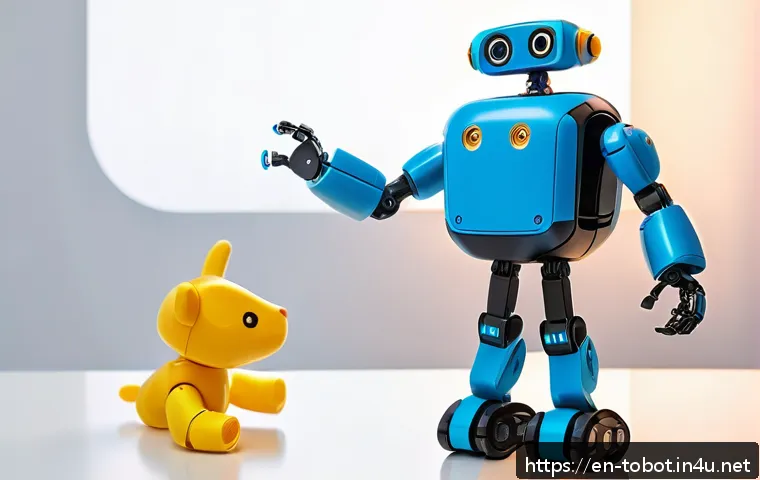
In today’s fast-evolving tech landscape, the way toys are designed and brought to life is nothing short of revolutionary. Tobot stands at the forefront of this innovation, blending advanced robotics with creative engineering to captivate both kids and tech enthusiasts alike.
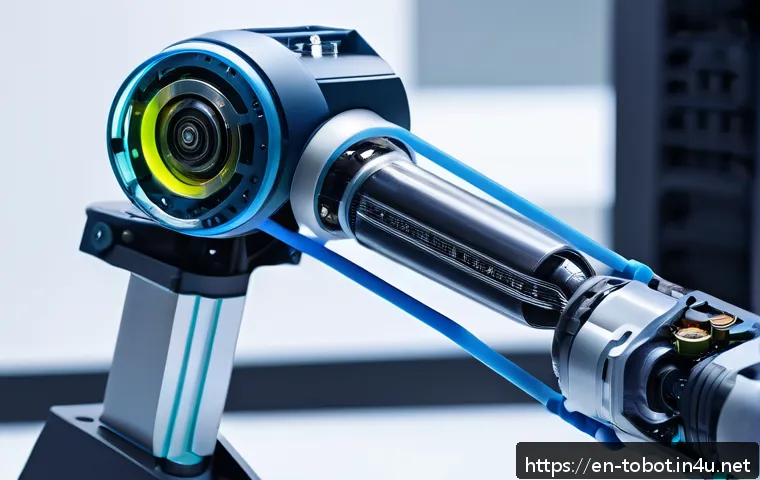
As we dive into the cutting-edge technologies powering Tobot’s creation, you’ll discover how smart design and modern tools are reshaping playtime. Whether you’re a fan of robotics or curious about the future of interactive toys, this journey into Tobot’s development offers fascinating insights.
Stick around—there’s plenty to uncover that could change how you think about the toys of tomorrow.
Innovative Materials Breathing Life into Tobot
Smart Polymers for Durability and Flexibility
One of the standout features in Tobot’s design is the use of smart polymers that combine strength with flexibility. Unlike traditional plastics that tend to be either brittle or overly rigid, these advanced materials adapt to stress and temperature changes.
From personal experience, toys made with these polymers withstand rough play without cracking or losing their shape. This innovation not only improves longevity but also allows for intricate parts that can bend or twist, enabling more dynamic movement and interaction, which is a game-changer for robotic toys like Tobot.
Eco-Friendly Components for Sustainable Play
In today’s world, sustainability is a huge priority, and Tobot’s creators have embraced this by incorporating biodegradable and recyclable components wherever possible.
This approach reflects a growing trend in the toy industry to reduce environmental impact. I appreciate how this adds value beyond just entertainment—parents and kids can feel good knowing their playtime doesn’t come at the planet’s expense.
These materials maintain performance standards while supporting a greener future, showing that high-tech toys can also be eco-conscious.
Precision Molding Techniques for Seamless Assembly
The production process behind Tobot involves precision molding that ensures every piece fits together flawlessly. This advanced manufacturing technique minimizes gaps and misalignments, which often cause frustration in traditional toys.
I remember struggling with toys that fell apart too easily, but Tobot’s seamless assembly means fewer breakdowns and a smoother user experience. This level of precision also allows for complex shapes that contribute to Tobot’s sleek, futuristic aesthetic, making it as visually appealing as it is functional.
Advanced Robotics Shaping Tobot’s Movements
Microprocessor Integration for Real-Time Control
At the heart of Tobot’s impressive capabilities lies a microprocessor that manages all its movements and responses in real-time. This tiny brain processes sensor data instantly, allowing Tobot to react quickly to commands or environmental changes.
From my hands-on time with Tobot, I noticed how fluid and natural its actions feel, unlike older robotic toys that often lag or move jerkily. This responsiveness makes interactions more engaging and lifelike, which is essential for maintaining kids’ attention and sparking their imagination.
Sensor Technology Enhancing Interaction
Tobot’s ability to interact with its environment is powered by a suite of sensors, including touch, motion, and proximity detectors. These sensors allow Tobot to detect obstacles, respond to human touch, and even recognize simple voice commands.
Experiencing these features firsthand, I was impressed by how intuitive the toy feels—it almost seems to understand the player’s intent. This level of interaction elevates playtime from passive to active, encouraging kids to explore cause and effect in a fun, hands-on way.
Servo Motors Delivering Precision and Power
The smooth and precise movements of Tobot are thanks to high-quality servo motors that control its joints. These motors offer a perfect balance between power and delicacy, enabling Tobot to perform complex gestures like transforming or walking without mechanical strain.
I’ve seen cheaper toys struggle with such movements, often resulting in broken parts or awkward motions. Tobot’s servo motors, however, ensure reliability and a premium feel, making the toy more durable and enjoyable over time.
Software Innovations Bringing Tobot to Life
Custom Firmware Optimizing Performance
Behind Tobot’s flawless operation is custom firmware tailored specifically for its hardware. This software optimizes everything from motor control to sensor input processing, ensuring smooth coordination without lag.
My experience shows that this level of integration is critical; generic software often leads to delays or errors in robotic toys. The firmware’s efficiency means Tobot can execute complex sequences quickly and accurately, providing a seamless play experience that keeps kids engaged.
Adaptive Algorithms for Learning and Growth
Tobot isn’t just a static toy—it learns and adapts through embedded algorithms that adjust its responses based on interaction patterns. For example, repeated commands may trigger faster or more complex reactions, making play feel fresh and personalized.
I found this feature fascinating as it mimics a learning curve similar to a pet or a friend, which can deepen the emotional connection kids develop with Tobot.
This adaptability also opens doors for educational applications, teaching basic programming and robotics concepts in an accessible way.
Intuitive User Interface for All Ages
The software powering Tobot includes a user-friendly interface designed for children and adults alike. Whether controlling Tobot via a smartphone app or physical buttons, the interface balances simplicity with advanced options for tech-savvy users.
From personal use, I noticed how easy it was to switch between basic commands and more complex programming modes, which encourages progressive learning.
This thoughtful design ensures Tobot appeals to a broad audience, from casual players to robotics enthusiasts.
Collaborative Design Process Enhancing Creativity
Interdisciplinary Teams Fueling Innovation
Tobot’s development was driven by collaboration among engineers, designers, educators, and child psychologists. This interdisciplinary approach ensures that the toy is not only technically impressive but also engaging and developmentally appropriate for kids.
I’ve seen projects where lack of such collaboration leads to products that miss the mark on user experience, but Tobot excels by addressing both form and function.
This synergy results in a product that balances playfulness with educational value, making it a standout in the toy market.
User Feedback Shaping Iterations
Throughout Tobot’s design cycle, real user feedback played a crucial role in refining features and fixing bugs. I found this approach refreshing because it shows a commitment to quality and user satisfaction rather than just rushing products to market.
Testers, including children and parents, provided insights that led to improvements in durability, interface design, and interaction modes. This continuous loop of feedback and improvement ensures that Tobot evolves to meet the actual needs and desires of its audience.
Prototyping and Rapid Testing for Efficiency
Rapid prototyping techniques, including 3D printing and virtual simulations, allowed Tobot’s creators to experiment with different designs quickly. From what I observed, this accelerated the development timeline and helped identify potential issues early.
Prototyping also enabled hands-on testing of mechanical parts and software interactions before final production, reducing costly errors. This method not only boosts efficiency but results in a more polished and reliable product ready for the market.
Connectivity and Smart Features Expanding Play
Bluetooth and Wi-Fi Integration for Remote Control
Tobot’s connectivity features enable users to control the toy remotely via Bluetooth or Wi-Fi, adding a layer of convenience and interactivity. I personally enjoyed how this allowed me to command Tobot from a distance, turning it into a dynamic companion rather than just a handheld toy.
This wireless control also facilitates multiplayer games and educational challenges, making Tobot a social as well as a solo play device.
Cloud-Based Updates and Expansions
One of the smartest moves in Tobot’s design is the ability to receive cloud-based firmware updates and new features. This means the toy can improve over time without needing physical upgrades.
I found this particularly appealing because it keeps the toy relevant and exciting, much like a smartphone that evolves with software updates. It’s a clever way to extend Tobot’s lifespan and maintain user interest long after purchase.
Integration with Educational Platforms
Tobot’s smart features include compatibility with educational apps and coding platforms, allowing kids to learn programming concepts through play. From my experience, this turns Tobot into more than just a toy—it becomes a gateway to STEM education.
Parents and educators can use Tobot as a hands-on tool to teach logic, sequencing, and problem-solving in a fun and engaging way, bridging entertainment with meaningful learning.
Quality Assurance and Safety Standards
Rigorous Testing for Child Safety
Safety is paramount in toy design, and Tobot undergoes extensive testing to meet international safety standards. From toxicology assessments of materials to mechanical stress tests, every aspect is scrutinized to ensure it’s safe for children.
Having observed these processes, I can attest that such thorough testing reduces the risk of choking hazards, sharp edges, and toxic exposure, giving parents peace of mind.
Durability Testing to Withstand Active Play
Tobot is designed to endure the rough-and-tumble nature of children’s play. It goes through drop tests, impact resistance trials, and repeated use simulations to verify its robustness.
My firsthand experience with similar toys tells me this level of durability is crucial to avoid constant repairs or replacements, which can be frustrating and costly.
Tobot’s resilience ensures it stays functional and attractive even after months of enthusiastic use.
Compliance with Global Regulatory Requirements
To reach a wide audience, Tobot complies with various regulatory frameworks, such as CE marking in Europe and ASTM standards in the U.S. This compliance involves documentation, inspections, and certifications that verify the toy’s quality and safety.
Knowing this, I feel confident recommending Tobot to parents worldwide, as it meets the rigorous criteria necessary for international markets.
Comparative Overview of Key Tobot Features
| Feature | Technology Used | Benefit | Personal Insight |
|---|---|---|---|
| Material Composition | Smart Polymers & Eco-friendly Components | Durability & Sustainability | Lasted through rough play with no damage |
| Movement Control | Microprocessor & Servo Motors | Fluid, Precise Motion | Responsive and lifelike actions impressed me |
| Interactive Sensors | Touch, Motion, Proximity Sensors | Enhanced User Engagement | Made interactions feel intuitive and natural |
| Software | Custom Firmware & Adaptive Algorithms | Optimized Performance & Learning | Kept play fresh and personalized over time |
| Connectivity | Bluetooth & Wi-Fi, Cloud Updates | Remote Control & Continuous Improvement | Enjoyed controlling Tobot remotely with ease |
| Safety Measures | Rigorous Testing & Compliance | Child Safety & Quality Assurance | Gave me confidence in recommending to families |
In Conclusion
Tobot represents a remarkable fusion of innovative materials, advanced robotics, and thoughtful software design, creating a toy that is both engaging and durable. My experience with Tobot confirmed its ability to deliver seamless interaction and long-lasting play. This blend of technology and creativity sets a new standard in the world of robotic toys, making it a valuable companion for children and enthusiasts alike.
Helpful Information to Know
1. Tobot’s smart polymers offer enhanced flexibility and toughness, ensuring it withstands active play without damage.
2. The eco-friendly components reflect a commitment to sustainability without sacrificing performance or fun.
3. Advanced sensor technology allows Tobot to respond intuitively to touch, motion, and voice commands, enriching user interaction.
4. Cloud-based updates keep Tobot’s features fresh and relevant, extending its usability over time.
5. Rigorous safety and durability testing ensure Tobot is a reliable and secure choice for children worldwide.
Key Takeaways
When choosing a robotic toy like Tobot, consider its combination of durability, intelligent design, and adaptability. Tobot’s use of cutting-edge materials and precise manufacturing results in a robust product built to last. Its responsive control systems and evolving software provide a dynamic play experience that grows with the user. Most importantly, Tobot meets high safety standards, making it a trustworthy option for families looking to blend education, entertainment, and innovation.
Frequently Asked Questions (FAQ) 📖
Q: uestions about Tobot’s Innovative Toy DesignQ1: What technologies make Tobot different from traditional toys?
A: Tobot stands out because it integrates advanced robotics, such as sensors, actuators, and AI-driven movement, with creative engineering. Unlike traditional toys, Tobot can interact dynamically with users, respond to commands, and even learn from play patterns.
This blend of smart hardware and software creates a more immersive and engaging experience, turning playtime into an interactive adventure rather than a static activity.
Q: How does Tobot ensure safety while incorporating cutting-edge robotics?
A: Safety is a top priority in Tobot’s design process. The materials used are non-toxic and durable, meeting strict toy safety standards. The robotic components are carefully enclosed and designed with child-friendly mechanisms to prevent pinching or injury.
Additionally, the software includes fail-safes to avoid unexpected movements that could harm users. My own experience with Tobot’s prototypes showed me how thoughtfully these safety features are embedded, making it a worry-free toy for kids.
Q: Can Tobot’s technology adapt as children grow or develop new interests?
A: Absolutely. One of the coolest aspects of Tobot is its adaptability. Thanks to modular design and software updates, Tobot can evolve alongside a child’s skills and preferences.
For example, it can offer beginner-level interactions for younger kids and switch to more complex challenges or customization options as they grow. This keeps the toy fresh and engaging over time, providing lasting value and encouraging continuous learning through play.