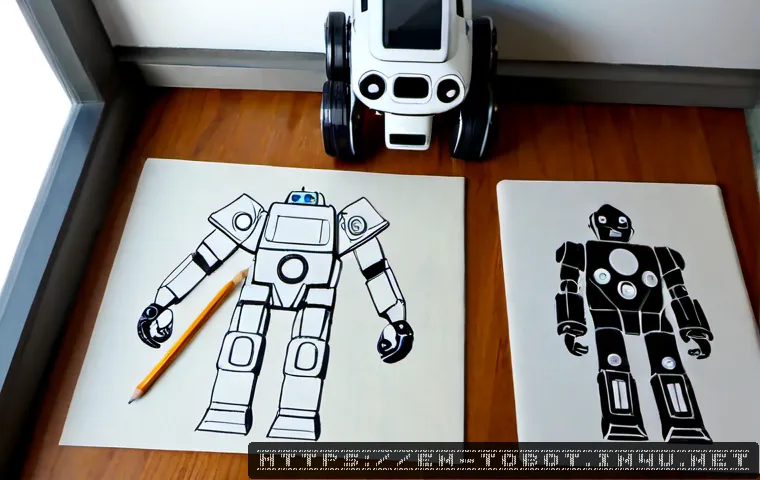
Explore what to look for when studying Tobot’s early design concepts: silhouette, transformation cues, color planning, and character function. Includes a practical checklist for evaluating official art materials and collectible references.
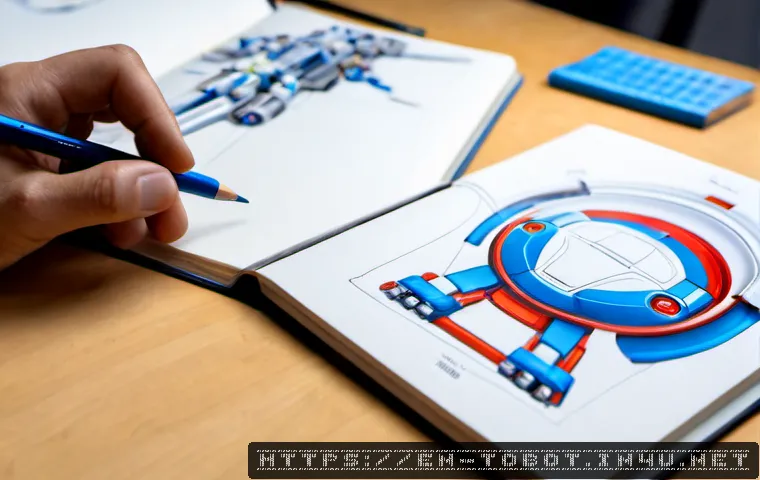
Early Tobot design research is most useful when it starts with verified official material, not visually similar reposts. Look for recurring clues such as silhouette, proportions, color blocking, and transformation-related parts rather than treating any single image as a confirmed first sketch.
Official art books, production releases, and licensed product guides are generally stronger reference choices than cropped social posts or unnamed image boards. A toy catalog or collectible can still be helpful, but it should be evaluated as a product reference rather than automatic proof of early production artwork.
For casual fans, free public material may be enough to compare finished character designs. For artists and collectors, a licensed book, guide, or well-documented collectible may offer clearer images and more useful context. The key is to separate what the image visibly shows from assumptions about its date, creator, or place in Tobot’s development.
At a Glance
- Prioritize officially identified sources when researching possible early Tobot design ideas.
- Compare silhouettes, transformation cues, proportions, and color blocks before focusing on small surface details.
- Check listing photos, edition information, and seller claims carefully before purchasing licensed art material or collectibles.
| Reference Format | Reliability for Design Study | Cost Consideration | Best Use |
|---|---|---|---|
| Official art book | Usually strongest when publication details and credits are clear | Varies by edition, condition, and availability | Studying artwork, design development, and image quality |
| Licensed toy catalog or manual | Useful for finished product features and transformation functions | Often depends on completeness and condition | Comparing toy engineering with the final character design |
| Auction or collector listing | Variable; depends on photos, documentation, and seller accuracy | Can include shipping, condition, and authenticity considerations | Finding discontinued memorabilia or edition details |
| Fan archive | Helpful for discovery, but official status may need independent confirmation | Often free to view | Locating comparisons, search terms, and community discussion |
What Early Tobot Design Research Can Reliably Reveal
Research into early Tobot design ideas can reveal how a robot character may have been visually organized, even when the exact origin of a sketch is not known. Animated transforming robot characters are typically shaped around readable forms: a recognizable body outline, a clear face area, strong color separation, and parts that suggest a vehicle-to-robot function. These are practical character-design principles, not proof that a specific online image is an original early drawing.
The Visual Clues That Often Survive From Concept to Final Character
A useful starting point is to compare what remains stable across images. A broad shoulder shape, a distinct head profile, wheel-like elements, window-like panels, or a repeated chest arrangement may indicate that a design principle carried into later artwork. The most reliable observation is descriptive: “this feature appears in both images.” Avoid jumping to “this is definitely the first version” unless the source itself identifies it that way.
Pay attention to proportion hierarchy. Does the robot look top-heavy, compact, tall, or vehicle-forward? Early studies often test how large the torso, arms, legs, and head need to be for a character to read clearly at animation and toy scale. A finished promotional illustration may simplify or polish those choices, while a concept page may show alternatives.
Why Silhouettes and Transformation Functions Matter More Than Isolated Details
Small markings can change between releases, print runs, or promotional images. A silhouette is harder to dismiss. When studying a possible early concept, first reduce the figure to a simple outline. Can you still recognize the head shape, vehicle-derived panels, arm placement, and overall stance? If so, you are examining design structure rather than getting distracted by a single decal or highlight.
Transformation cues also matter because Tobot is associated with transforming robot entertainment. Visible mechanical joins, vehicle-like panels, wheels, doors, or front-end forms can explain why a character is built in a particular way. Still, a toy’s engineering solution and an animated design are not always identical. Treat them as related references, not interchangeable evidence.
How to Identify an Early Concept Image Versus Final Promotional Art
An early-looking drawing is not automatically an early concept drawing. The safer approach is to inspect presentation clues, source information, and visual purpose. A page created for exploration often looks different from art created to advertise a finished character or licensed product.
Line Quality, Annotations, Alternate Parts, and Unfinished Color Areas
Potential concept material may include loose construction lines, multiple head options, alternate arm shapes, color tests, arrows, notes, or incomplete areas. These signs suggest a design process, but they do not establish ownership, date, or official status on their own. A modern fan artist can also use sketch-like lines, and a promotional campaign can intentionally imitate concept art.
Finished promotional art is more likely to feature polished lighting, a clean pose, a complete background, consistent branding, and no visible exploration marks. A product package image may prioritize the toy’s features, while a character sheet may prioritize turnarounds or readable proportions. Look at the image’s job: is it testing possibilities, explaining a product, or selling a finished character?
Common Signs That an Image May Be Mislabeled or Unofficial
Be careful with images that are heavily cropped, carry no source credit, appear only through repost chains, or are described with vague phrases such as “rare original concept.” A missing publication title, unclear ownership history, or contradictory caption is reason to pause. AI-altered images can also introduce extra lines, inconsistent mechanical parts, or false paper texture that makes a modern image appear older.
Do not assume that a watermark proves authenticity. It may only identify the account that uploaded the file. If an image matters to your research or buying decision, seek a matching official publication reference, a clear product guide, or documentation that explains where the image came from.
Comparing Reference Options: Art Books, Toy Guides, Listings, and Fan Archives
Different reference formats answer different questions. The best choice depends on whether you want to learn character design, document a collection, inspect transformation features, or simply enjoy Tobot artwork. Reliability and usefulness are not the same thing: a fan archive may be excellent for discovery, while an official guide may be better for confirmation.
Reliability, Image Quality, Ownership Rights, and Typical Buyer Considerations
An official art book can be a strong option if it identifies the publisher, edition, and included material clearly. It may offer larger images and a more organized viewing experience than scattered reposts. Before buying, inspect whether the listing shows the cover, publication details, interior photos, condition notes, and any language limitations relevant to your use.
A licensed toy guide or manual is especially useful for studying transformation functions and final toy-based details. It may not include early sketches, but it can help identify how vehicle cues were translated into a physical product. A collector listing can provide rare photographs, yet its claims should be treated cautiously unless the item’s edition, packaging, and condition are documented.
Fan archives can help you locate names, image variations, and discussions, but copied files may lose captions and source context. Use them as a research starting point. Respect ownership rights by avoiding unauthorized reproduction of full artwork or scans.
When a Licensed Reference Source May Offer Better Value Than a Collectible Purchase
If your goal is drawing practice or character-design study, a licensed reference guide may offer more usable information than a single collectible. A book or catalog can present multiple angles, group comparisons, and clean artwork without requiring you to handle a rare item. It can also be easier to store and review repeatedly.
A collectible may be the better choice when you specifically want to study physical construction, transformation logic, packaging design, or display presence. Before treating a collectible as a reference purchase, ask whether its condition allows close inspection and whether its documentation supports the seller’s description. For current availability and details, check the relevant official product or retailer page.
A Practical Method for Studying Robot Character Design
A simple study method prevents speculation from taking over. Start with what can be seen, record comparisons, and label unknowns clearly. This approach is useful whether you are looking at official art, a toy manual, a catalog image, or a possible early sketch.
Break Down Silhouette, Vehicle Cues, Face Design, and Color Blocking
First, examine the silhouette. Note the widest point of the body, the relationship between the head and shoulders, and the shape created by the legs and arms. Next, identify vehicle cues such as wheels, windows, front sections, doors, or panel lines. These details can show how a transforming character balances machine identity with a readable humanoid form.
Then study face design and color blocking. Is the face framed by a helmet-like structure? Are bright colors grouped around the chest, limbs, or head to guide attention? Color blocks can clarify movement and help separate mechanical parts at a glance. Make a small chart with columns for “visible,” “repeated,” “uncertain,” and “source stated.”
Record Observations Without Presenting Assumptions as Production Facts
Use language that matches the evidence. Write “appears to,” “may suggest,” or “is consistent with” when a source does not confirm a point. Reserve direct statements for details printed in an official guide, credited publication, or clearly identified licensed material. This matters when researching early designs because dates, creators, and development order can be easily misreported online.
A clean research note might say: “The image uses a rough line style and shows alternate arm shapes; its official status is unconfirmed.” That is more useful than repeating an unsupported claim. It also makes later corrections easy if you find a better source.
Common Research Mistakes and Collector Safety Checks
The biggest mistake is treating visual similarity as verification. A finished image can look sketch-like, a fan illustration can resemble production art, and a repost can remove the very caption needed to explain it. Collectors face an additional issue: rare or discontinued items can attract inaccurate labels and counterfeit claims.
Avoiding Cropped Reposts, AI-Altered Images, and Unverified Seller Claims
Whenever possible, compare a repost with a fuller version. Cropping may remove logos, credits, publication marks, or neighboring images that reveal an artwork’s actual purpose. Watch for inconsistent symmetry, mismatched mechanical details, unreadable text, and unusual texture artifacts that may indicate alteration. None of these signs alone proves an image is AI-altered, but they justify further checking.
For seller claims, look for specific and verifiable wording rather than dramatic labels. “Licensed,” “original,” “prototype,” and “concept art” are meaningful only when supported by clear evidence. Ask yourself whether the description explains the item’s edition, origin, and condition, or simply uses attractive keywords.
Checking Condition Photos, Edition Details, and Return Policies Before Buying
For a used art book, guide, or collectible, inspect photographs for missing pages, heavy wear, detached parts, discoloration, and packaging condition where relevant. Check whether edition details are visible and whether the images show the actual item rather than a stock photo. If a purchase is intended for design reference, interior-page photos may matter more than a pristine outer cover.
Review the return policy and shipping terms before committing. A low initial price may not reflect the total cost once condition, delivery, and possible return limits are considered. If documentation is limited, it may be wiser to keep researching than to buy based on an unverified “rare concept” description.
Selection Criteria and Comparison Summary
Choose a reference format by matching it to your goal. For casual viewing, free official public material may be sufficient. For drawing and character-design study, prioritize clear image quality, multiple views, publication details, and lawful access. For collecting, add condition photos, edition identification, authenticity support, shipping terms, and return policy to your checklist. For possible early sketches, always separate “officially identified” from “visually plausible but unconfirmed.” Before purchasing, review the official description and detailed item conditions on the relevant page.
In Closing
Studying Tobot’s earliest design ideas is less about finding a single “perfect” sketch and more about learning how to evaluate visual evidence. Silhouette, transformation cues, proportion, and color planning provide useful design lessons even when an image’s history is uncertain. Official art materials and licensed guides can offer stronger context, while fan archives can remain useful for discovery. A careful source note protects both your research and your collecting budget.
Useful Things to Know
1. A rough-looking drawing is not automatically official concept art.
2. A toy manual can be valuable for transformation study even if it does not show early artwork.
3. Bigger, uncropped images are often more useful than heavily edited reposts.
4. “Unknown” is a valid research result when a source cannot be verified.
Important Notes
The exact appearance, dates, creators, ownership history, and publication status of Tobot’s earliest sketches require confirmation from reliable official sources. Online images may be fan-made, promotional, altered, later redesigns, or reposts with missing context. Current pricing, availability, condition, and authenticity of books, catalogs, prints, and collectibles should always be checked before purchase.
Frequently Asked Questions
Q1. Are Tobot early design sketches available in official art books or toy guides?
A1. They may be, but availability and contents need to be confirmed for each publication. Official art books, production releases, and licensed guides are generally more reliable places to check than uncredited reposts.
Q2. How can I tell whether a Tobot concept image is official or fan-made?
A2. Check for publication details, creator or publisher credits, uncropped context, and a traceable official source. Rough lines or handwritten notes can suggest a concept process, but they do not confirm official status by themselves.
Q3. Is it worth buying a licensed Tobot collectible for design reference?
A3. It can be worthwhile if you want to inspect transformation mechanics, physical proportions, or product details. If your main goal is drawing reference, a licensed art book or guide may offer clearer and broader visual material than one collectible.